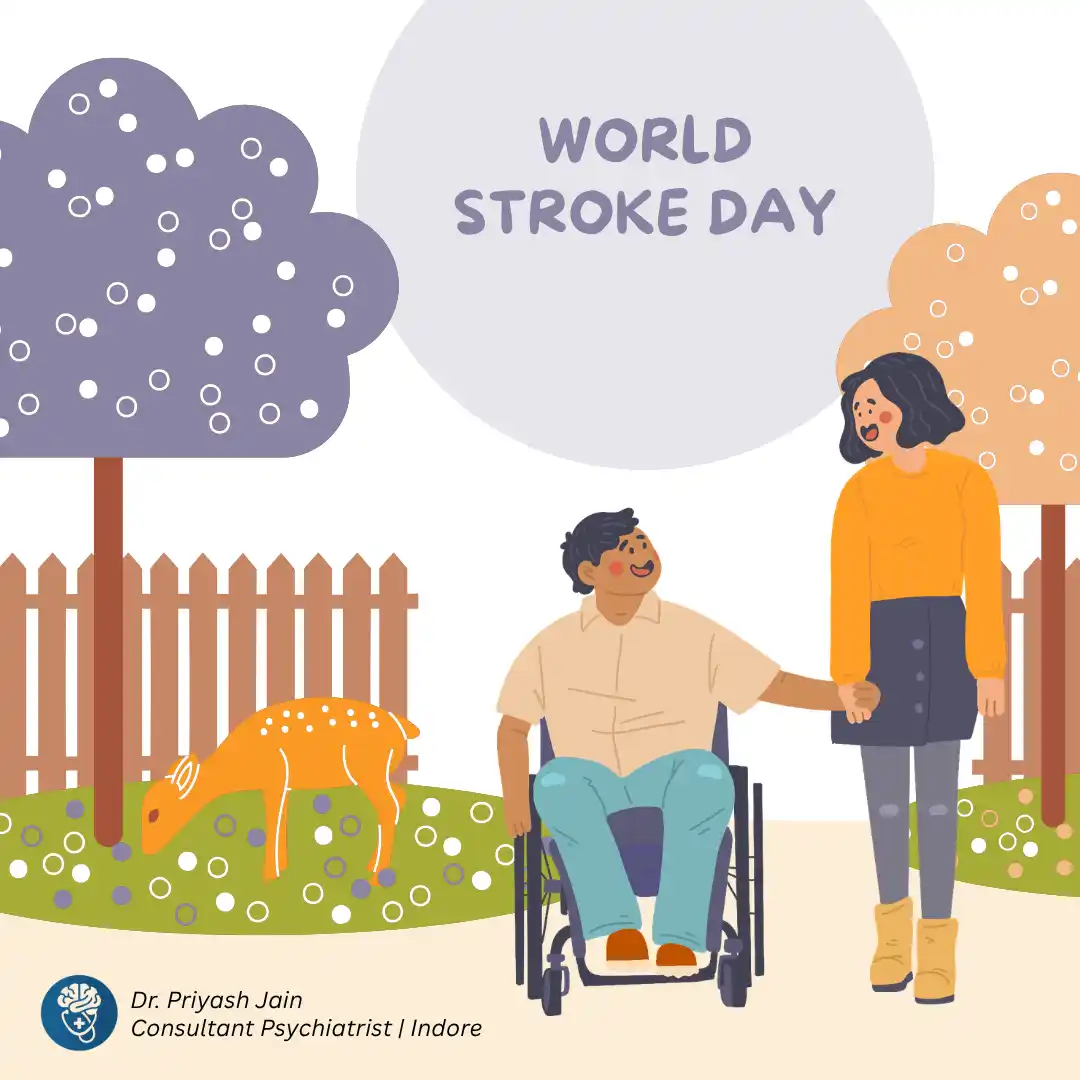
A stroke can change much more than movement, speech, or memory. For many survivors, it can also affect mood, emotions, thinking, behaviour, and confidence. These psychological changes may be overlooked while attention is focused on physical rehabilitation.
How can a stroke affect mental health?
Depression
One of the most common problems after stroke: persistent sadness, loss of interest, fatigue, sleep or appetite changes, difficulty concentrating, or hopelessness.
Anxiety
Excessive worry about another stroke, being dependent on others, or returning to work, and avoiding activities for fear of falling, making mistakes, or another medical emergency.
Emotional and behavioural changes
Becoming unusually irritable, tearful, apathetic, impulsive, or emotionally labile (prone to rapid, unpredictable mood shifts).
Changes in thinking
Changes in memory, attention, planning, or decision-making that can further affect relationships and independence.
Key Fact: These symptoms should not simply be considered an inevitable part of ageing or stroke recovery. They deserve assessment and appropriate treatment.
Mental health is part of stroke recovery
Recovery after stroke is not only about regaining physical function. Psychological wellbeing can influence motivation, participation in rehabilitation, relationships, and quality of life.
Treatment may include:
- Psychological interventions
- Rehabilitation-based support
- Medication, when appropriate
- Education and support for family members
Remember: Early recognition of depression, anxiety, cognitive difficulties, and other psychological problems can help improve overall recovery.
When should you seek help?
Speaking with a mental health professional can be helpful if emotional or behavioural changes after a stroke:
- Persist over time.
- Interfere with rehabilitation.
- Affect relationships and daily functioning.
Looking for a psychiatrist in Indore?
Dr. Priyash Jain provides confidential, evidence-based psychiatric assessment and treatment for depression, anxiety, and other psychological difficulties following medical illnesses, including stroke.
This article is for educational purposes only and is not a substitute for professional medical advice, diagnosis or treatment. If you or someone close to you is struggling after a stroke, please consult a qualified healthcare professional. If you suspect a stroke or someone is in immediate danger, contact local emergency services.
Found this article helpful? Share it!
Need Expert Psychiatric Help?
Dr. Priyash Jain is here to help. Book a consultation today and take the first step towards better mental health.