Can Family Stress Affect Mental Health? | Psychiatrist in Indore
Understanding Family Stress and Mental Health
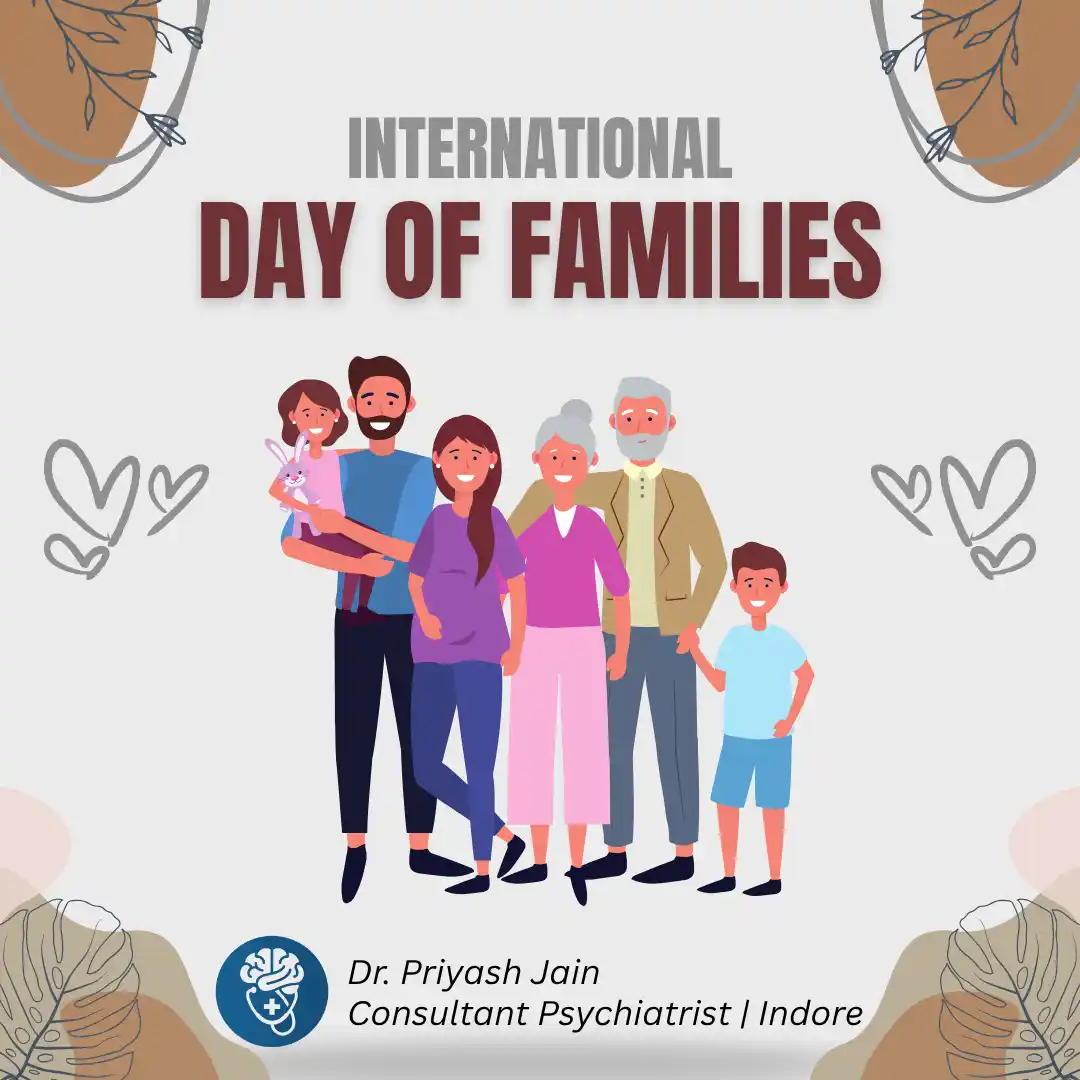
Family stress is one of the most common yet often overlooked causes of emotional stress and mental exhaustion. Stress within families does not always appear as obvious conflict. It may involve ongoing expectations, comparison, criticism, communication difficulties, or lack of emotional support.
Over time, chronic stress within the family environment can gradually affect emotional well-being, relationships, confidence, sleep, and daily functioning.
Hidden Forms of Family Stress
Family-related stress may present in subtle ways, including:
- Constant pressure to meet expectations
- Comparison with siblings, relatives, or peers
- Lack of emotional validation or support
- Difficulty expressing feelings openly
- Persistent criticism or conflict
- Feeling emotionally responsible for everyone else
These experiences may appear “normal” within a household but can significantly contribute to stress-related symptoms over time.
How Family Stress Can Affect Mental Health
Ongoing family stress may contribute to:
- Anxiety and excessive worry
- Low mood or depression
- Irritability and frustration
- Emotional exhaustion or burnout
- Reduced concentration and productivity
- Sleep disturbances
- Social withdrawal
In some individuals, chronic emotional stress can also worsen pre-existing anxiety disorders or depression.
When Family Stress Becomes a Concern
Stress becomes clinically important when it begins affecting daily functioning, emotional stability, relationships, work performance, or physical health.
Signs that professional support may help include:
- Persistent sadness or anxiety
- Feeling emotionally drained most days
- Frequent anger or irritability
- Difficulty sleeping
- Loss of motivation
- Feeling overwhelmed even by routine tasks
Managing Family-Related Stress
Effective stress management strategies may include:
- Setting healthier emotional boundaries
- Improving communication patterns
- Seeking emotional support
- Regular physical activity and adequate sleep
- Relaxation techniques and mindfulness
- Psychotherapy or counselling
Early recognition and intervention can help prevent worsening mental health concerns and improve long-term emotional well-being.
Learn more about stress management strategies and the difference between stress and anxiety .
When to Seek Professional Help
If family stress is becoming difficult to manage or is affecting sleep, mood, relationships, or work, professional mental health support may help identify unhealthy patterns and develop healthier coping strategies.
If you are experiencing ongoing emotional stress, anxiety, or burnout, consult a psychiatrist in Indore for evaluation and evidence-based treatment.
Found this article helpful? Share it!
Need Expert Psychiatric Help?
Dr. Priyash Jain is here to help. Book a consultation today and take the first step towards better mental health.